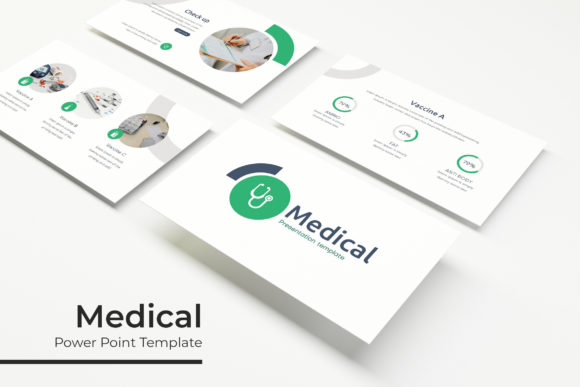
Medical Power Point Template: 150 Slides for Keynote
Creating high-stakes presentations in the healthcare sector requires a delicate balance between clinical accuracy and visual engagement. Whether you are presenting patient case studies, pitching medical device innovations, or delivering educational lectures to students, the visual framework of your deck matters as much as the data itself. A specialized Medical Power Point Template serves as more than just a background; it acts as a structured communication tool designed to translate complex medical information into digestible, professional narratives. For professionals aged 20 to 50 working in medicine, education, or health marketing, utilizing a pre-designed Keynote asset with 150 total slides can significantly reduce production time while elevating the perceived quality of the presentation.
Streamlining Workflow with Master Slide Architecture
The primary advantage of a comprehensive template lies in its underlying architecture. This specific resource includes five KEY files formatted for widescreen displays, ensuring compatibility with modern projection systems and digital screens. Rather than formatting individual slides manually, users benefit from a system based on Master Slides. This foundational approach allows for global, consistent changes across multiple layouts without repetitive manual adjustments. When you need to update a logo, adjust a footer, or change a color accent across thirty slides in a specific section, the master slide functionality handles this instantly.
For freelancers and small business owners managing multiple client accounts or internal departments, this efficiency is critical. The drag-and-drop capability integrated into the master slides means that resizing and editing graphic picture placeholders becomes an intuitive process rather than a technical hurdle. You can focus entirely on the accuracy of your medical content and the flow of your argument, trusting that the visual alignment remains pixel-perfect regardless of how many times you rearrange elements. This structural integrity prevents the common issue of "broken" slides where text boxes and images lose alignment during last-minute edits.
Leveraging Color Psychology Through Premade Variations
Color choice in medical presentations is rarely arbitrary; it influences audience perception and cognitive load. This template offers five distinct premade color variations, providing thirty unique slides for each palette. This variety allows presenters to match their visual identity to the specific context of the talk. A cool blue palette may be appropriate for surgical technology or hospital administration, conveying trust and sterility, while warmer tones might suit mental health, pediatrics, or wellness topics.
Having these variations ready-made eliminates the guesswork involved in color theory. For marketers and entrepreneurs pitching to investors, switching between palettes allows for A/B testing of visual styles or tailoring the deck to different stakeholders without redesigning the core layout. The inclusion of a Readme file with free font download links further ensures that the typographic hierarchy supports the chosen color scheme, maintaining readability and professional polish across all devices.
Visualizing Complex Data with Handcrafted Infographics
Healthcare professionals often struggle to present statistical data, anatomical relationships, or procedural workflows without overwhelming the audience with dense text. The handcrafted infographics included in this Keynote template address this challenge directly. Unlike generic chart builders, these illustrations are designed specifically for medical contexts, offering pixel-perfect clarity that scales without distortion. Whether explaining a biological pathway, displaying epidemiological trends, or outlining a treatment protocol, these graphics serve as visual anchors that enhance retention.
Educators and trainers will find particular value here. Instead of spending hours drawing diagrams in vector software, you can utilize editable infographic slides that maintain scientific accuracy while allowing for customization. Because these elements are fully resizable and editable within Keynote, they adapt to various content densities. You might use a detailed anatomical breakdown for a graduate-level lecture and simplify the same graphic for a patient education brochure. This flexibility supports diverse learning objectives and ensures that visual aids clarify rather than confuse the message.
Structuring Narratives with Section Breaks and Portfolios
A 150-slide library provides ample room for narrative structure, but organization is key to preventing information overload. The inclusion of dedicated section break slides helps segment long presentations into logical chapters. In medical conferences or thesis defenses, these transitions provide necessary cognitive pauses, signaling to the audience that a new topic or dataset is being introduced. This pacing is essential for maintaining attention during lengthy technical discussions.
Furthermore, the gallery and portfolio slides cater to professionals who need to showcase visual evidence. Surgeons, dermatologists, and researchers often rely on before-and-after imagery or case study documentation. These specific layouts are optimized for image-heavy content, providing clean frames that prioritize the photograph over decorative elements. It is important to note, however, that all photographs used in the preview are for illustration purposes only and are not included. Users must supply their own compliant, anonymized, or licensed imagery. This distinction ensures ethical compliance regarding patient privacy while providing the perfect vessel for your proprietary visual assets.
Practical Considerations for Diverse Professional Roles
While the breadth of this Medical Power Point Template makes it versatile, understanding its best fit is crucial for maximizing return on investment. For hospital administrators and department heads, the sheer volume of slides supports annual reporting and strategic planning sessions where consistency across multiple presenters is required. The standardized layouts ensure that reports from different units look cohesive when compiled into a single executive summary.
For creators and bloggers in the health niche, the template offers a shortcut to professional-grade visuals for webinars and online courses. The widescreen format translates well to video content and screen sharing. However, solo practitioners or students with very simple needs might find 150 slides excessive. In such cases, the value comes from selecting the ten or twenty most relevant layouts and ignoring the rest, treating the file as a modular toolkit rather than a linear sequence. Comparing this option against simpler templates is advisable if your presentation needs are strictly limited to basic bullet points, as the advanced features here shine brightest when dealing with multifaceted medical content.
Ensuring Technical Compatibility and Asset Management
Adopting a new template requires some technical housekeeping to ensure smooth execution. Since this package delivers five KEY files, users must have Apple Keynote installed. While Keynote can export to PowerPoint, native editing is best performed in the original environment to preserve master slide links and animation timing. The inclusion of a Readme First file is not merely administrative; it contains vital instructions on installing the linked free fonts. Neglecting this step can result in text reflow or substitution errors that disrupt the pixel-perfect design.
Additionally, because the template relies on placeholder graphics, users should prepare their image assets before beginning the design phase. Sourcing high-resolution, royalty-free, or personally owned medical photography in advance prevents workflow bottlenecks. The drag-and-drop placeholders are forgiving, but having correctly cropped and sized images ready ensures the final output matches the professional standard set by the template’s illustrations. By respecting these technical prerequisites, professionals can transform a collection of files into a powerful communication asset that saves time, enhances credibility, and ultimately improves the transfer of critical medical knowledge.