Monotone Presentation Template: A Strategic Asset for Modern Visual Communication
In the current landscape of digital communication, the aesthetic quality of a slide deck often carries as much weight as the spoken narrative. Professionals across diverse sectors are increasingly recognizing that visual coherence is not merely decorative but functional. The Presentation Template - Monotone represents a specific design philosophy that prioritizes clarity, structure, and adaptability over ornamental excess. By leveraging a minimalist framework, this template system allows creators to focus on information architecture rather than spending excessive hours on graphic alignment. Understanding how to utilize such a resource effectively requires examining its technical specifications, practical applications across industries, and the cognitive benefits of monotone design systems in professional settings.
The Cognitive Advantage of Minimalist Slide Architecture
The primary value proposition of introducing Monotone fashion presentation styles or corporate decks lies in cognitive load management. When an audience views a slide, their brain processes visual stimuli before textual content. High-contrast, cluttered designs force the viewer to filter out noise, reducing retention of the core message. A monotone approach utilizes negative space and consistent typography to guide the eye naturally through the hierarchy of information. This template’s design ethos supports this psychological principle by providing a neutral canvas where data and imagery take precedence.
For educators and researchers, this neutrality is particularly advantageous. Academic presentations often suffer from inconsistent formatting that distracts from complex methodologies or findings. By adopting a standardized, pixel-perfect layout, presenters can ensure that the audience remains focused on the evidence rather than the decoration. The 36 slides included in this package offer sufficient variety to maintain visual interest without breaking the established thematic consistency, striking a balance between engagement and professionalism that is difficult to achieve with custom-built decks.
Technical Flexibility Through Master Slide Integration
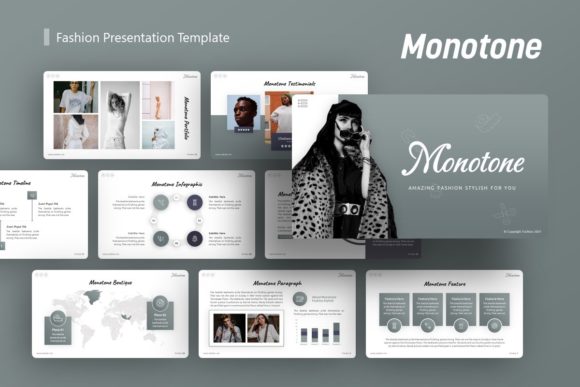
A common frustration with downloaded presentation assets is the inability to make global changes efficiently. The Presentation Template - Monotone addresses this through its reliance on Master Slides within PowerPoint. This technical foundation distinguishes a professional tool from a simple collection of images. When a user modifies a font family, color palette, or logo placement on the master slide, those changes propagate instantly across all 36 unique layouts. This feature is critical for agencies and businesses managing multiple client accounts or internal departments, as it ensures brand compliance without manual repetition.
Furthermore, the inclusion of handcrafted infographics based on native PowerPoint shapes rather than static images enhances long-term utility. Users can edit data points, resize elements, and adjust colors directly within the software. This vector-based scalability means the presentation remains crisp whether projected on a conference room screen or viewed on a mobile device. The ability to drag and drop pictures into pre-defined placeholders streamlines the workflow for photographers and portfolio builders, allowing them to swap visual assets while maintaining perfect aspect ratios and alignment.
Sector-Specific Applications and Use Cases
The versatility of this template stems from its agnostic design language. While originally categorized under fashion presentation contexts, its structural integrity makes it suitable for a wide array of professional environments. Different sectors leverage these 36 slides to solve distinct communication challenges.
- Creative Agencies and Portfolios: For designers and artists, the template acts as a digital gallery. The picture placeholders are optimized to showcase high-resolution work without competing borders or backgrounds. The minimalist aesthetic ensures that the portfolio pieces remain the focal point, while the clean typography provides necessary context without overshadowing the creative output.
- Startups and Pitch Decks: Investors review hundreds of decks annually. A monotone template signals maturity and focus. The included infographic slides allow startups to visualize market size, revenue projections, and user growth clearly. The consistent styling helps build subconscious trust, suggesting that the company pays attention to detail and values clear communication.
- Corporate and Business Reporting: Internal stakeholders require data density without confusion. The template’s structured layouts facilitate the presentation of quarterly results, project timelines, and organizational charts. Because all graphics are resizable and editable, teams can update recurring reports rapidly, maintaining a unified corporate identity across different divisions.
- Educational and Research Institutions: Lecturers and students benefit from the template’s readability. The high contrast and uncluttered backgrounds improve accessibility for viewers with visual impairments. Additionally, the documentation file included with the .PPTX asset helps users unfamiliar with advanced PowerPoint features to navigate the master slides and customization options effectively.
Navigating File Assets and Licensing Considerations
When integrating the Presentation Template - Monotone into a professional workflow, understanding the deliverables is essential for avoiding legal or technical pitfalls. The download package typically includes the editable PowerPoint .PPTX file, a comprehensive documentation guide, and a set of vector icons. These components form a complete ecosystem for slide creation. However, users must note that all images seen in preview demos are for visualization purposes only and are not included in the final files. This distinction is crucial for budgeting and planning; creators must source their own photography or utilize stock libraries to populate the placeholders.
This exclusion actually serves a strategic purpose. It prevents the "template look" where multiple organizations inadvertently use the same stock photography. By requiring users to insert their own visuals, the template ensures that every final presentation remains unique to the specific brand or individual. The vector icons provided, however, are fully usable assets that add professional polish to bullet points and section dividers without requiring external purchases.
Optimizing Workflow with Editable Vector Graphics
The distinction between raster and vector graphics defines the longevity of a presentation template. Many free or low-cost alternatives rely on flattened JPEGs or PNGs for their decorative elements. When resized, these artifacts degrade, resulting in pixelation that undermines credibility. The Presentation Template - Monotone utilizes pixel-perfect illustrations constructed from vector paths. This technical choice allows for infinite scaling and color modification.
For marketing professionals, this means a single icon set can be adapted to match seasonal campaign colors or specific product lines without sourcing new assets. For consultants, it means diagrams can be expanded or contracted to fit varying amounts of text without losing visual fidelity. The handcrafted nature of these infographics also implies a level of design intentionality often missing in auto-generated chart tools. Each element has been positioned to support visual flow, ensuring that even complex data sets remain digestible.
Balancing Aesthetics with Information Density
While the monotone aesthetic promotes clarity, users must exercise discipline to avoid oversimplification. The template provides the container, but the content strategy remains the user's responsibility. Effective use of these 36 slides involves matching the right layout to the right type of information. A full-bleed image slide is appropriate for emotional impact or product showcases but unsuitable for financial tables. Conversely, the dense infographic slides are ideal for comparative analysis but may overwhelm an introductory hook.
Professionals should treat the template as a modular system rather than a linear sequence. Not every slide needs to be used, and the order can be rearranged to suit the narrative arc. The master slide functionality facilitates this non-linear approach, allowing users to duplicate specific layouts that work well for their content while deleting irrelevant ones. This selective curation is key to maintaining audience engagement. The goal is to create a rhythm of visual variety that supports the speaker’s cadence, using the template’s inherent structure to pace the delivery of information effectively.
Long-Term Value and Adaptation Strategies
Investing time in learning the nuances of the Presentation Template - Monotone yields compounding returns. Unlike bespoke designs created for a single event, this system is built for reuse. Organizations can establish a modified version of the master slides as their official corporate standard, reducing future design costs and ensuring consistency across years of communications. The documentation file serves as an onboarding resource for new team members, accelerating their ability to produce on-brand materials.
Moreover, the template’s compatibility with standard PowerPoint features ensures future-proofing. As Microsoft updates its software, native shapes and master slides continue to function correctly, whereas third-party plugins or complex macros often break. This stability is vital for businesses that archive presentations for compliance or historical reference. By adhering to native construction methods, the Monotone template ensures that today’s pitch deck remains editable and accessible five or ten years from now.
Ultimately, the effectiveness of any presentation tool depends on the user’s understanding of its capabilities. The Presentation Template - Monotone offers a robust foundation of 36 customizable slides, editable vectors, and master-slide efficiency. Whether applied to a startup pitch, a creative portfolio, or an academic lecture, its value lies in removing friction from the design process. This allows professionals to redirect their energy toward refining their message and connecting with their audience, transforming a routine task into a strategic communication advantage.